
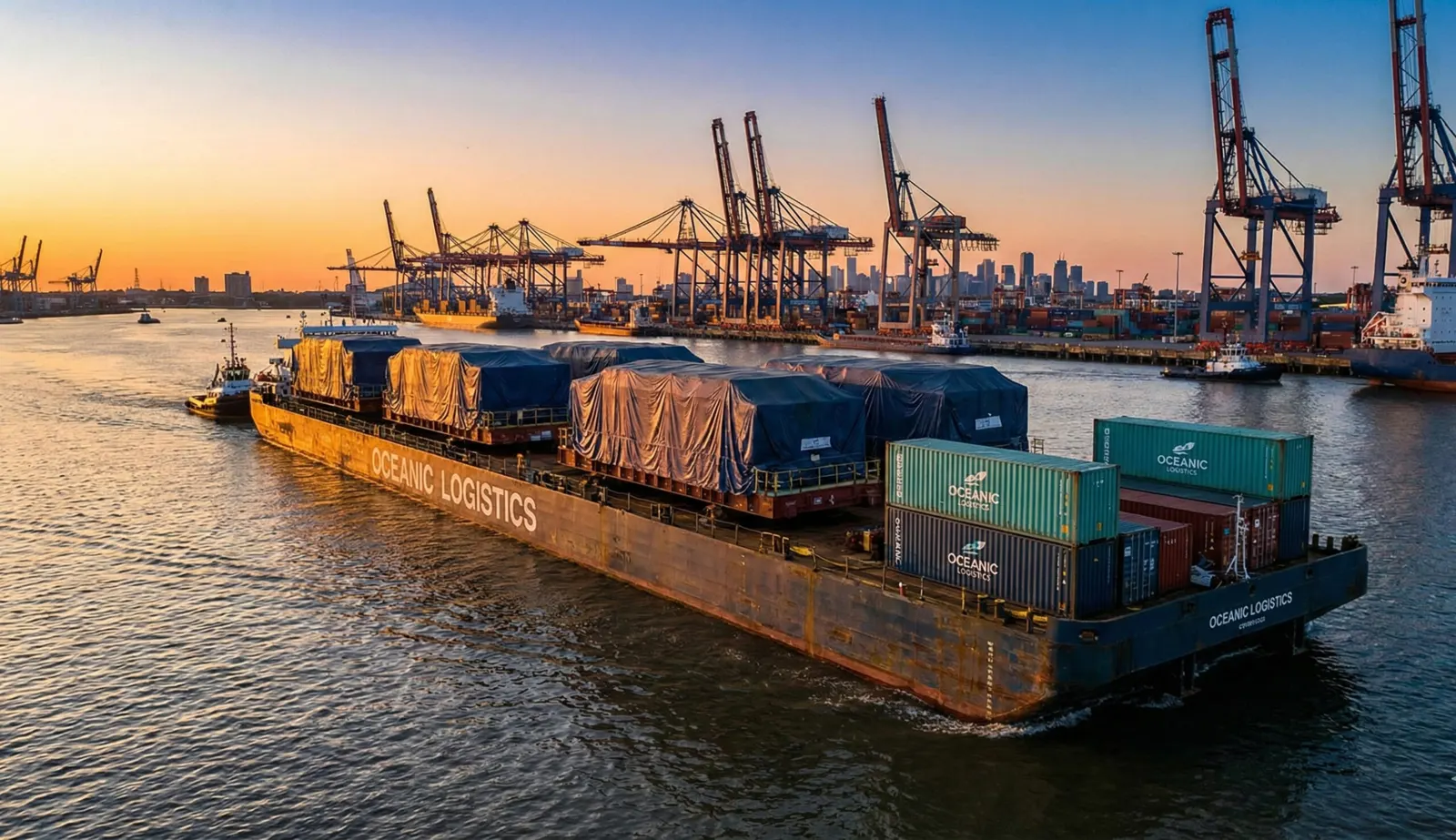
Inland Waterways & Barge Transport
River transport provides stable capacity — when structured correctly.
QuadraPi Global coordinates inland waterway and barge transport for heavy, oversized and project cargo across selected European and emerging corridors.
We integrate river logistics into broader multimodal structures to optimize cost and reduce road exposure.
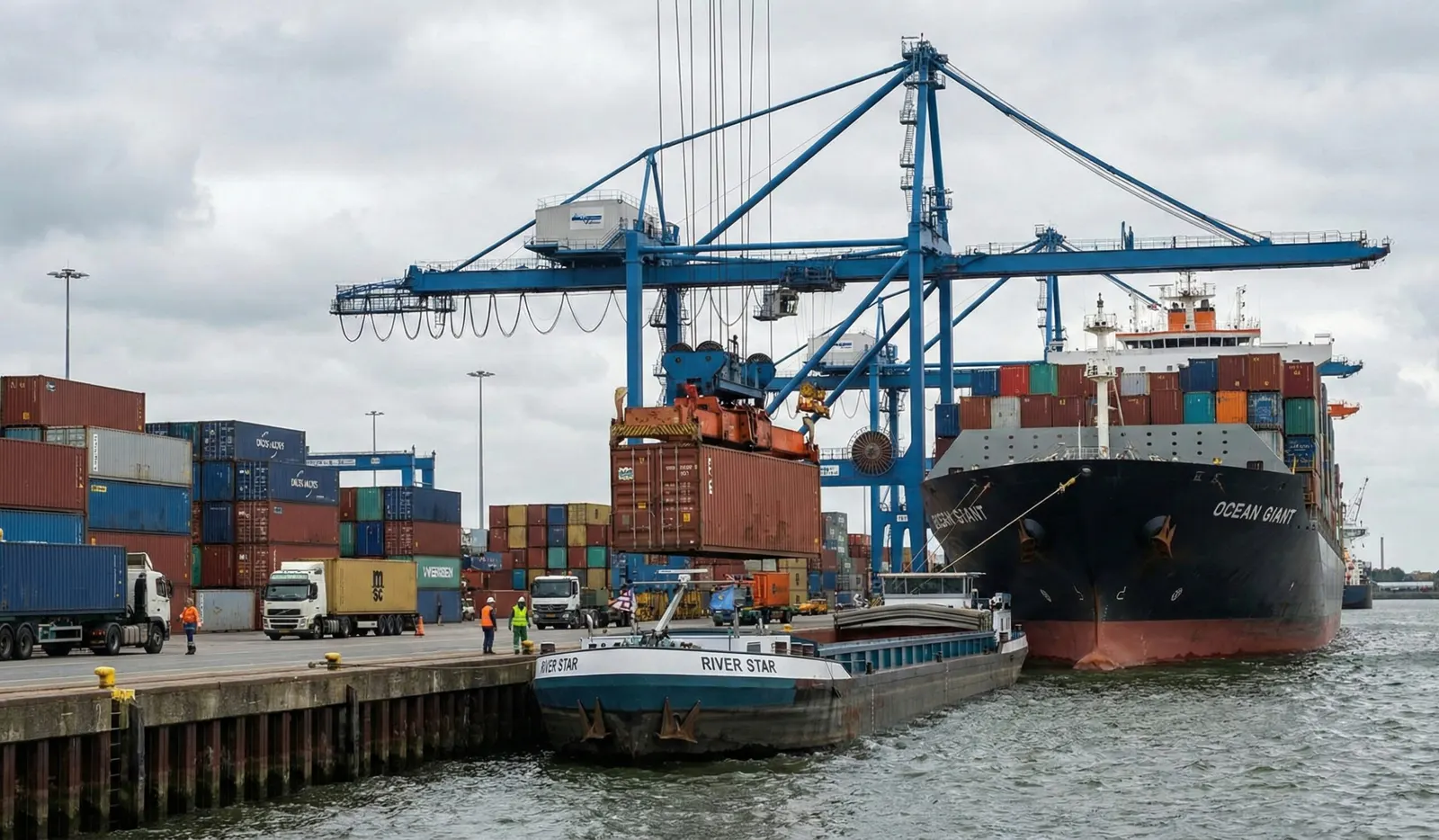
Barge Transport for Heavy & Oversized Cargo
We coordinate:
- Heavy industrial cargo by barge
- Oversized and breakbulk shipments
- Port-to-river terminal transfers
- Direct river-to-site coordination
Barge transport becomes a strategic alternative where road constraints increase cost or risk.
River–Sea Integration
For extended trade corridors, we manage:
- • Sea-to-river transshipment
- • River terminal coordination
- • Port handling supervision
- • Vessel scheduling alignment
Ensuring continuity between maritime and inland networks.
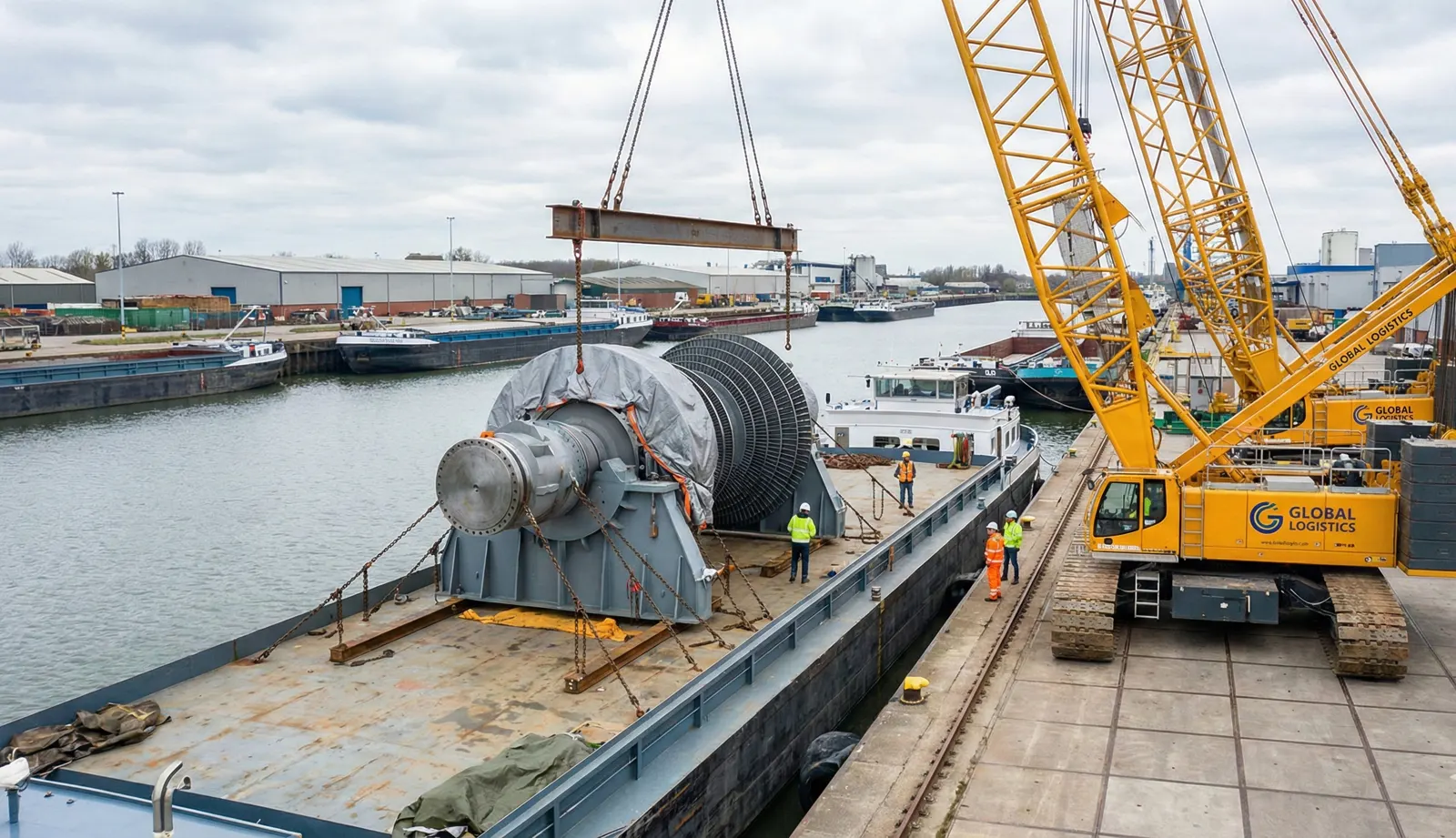
Project & Industrial River Logistics
For complex industrial movements, we coordinate:
- • Cargo engineering evaluation
- • Barge loading supervision
- • River navigation planning
- • Terminal equipment coordination
River movements are structured within broader project logistics frameworks.
End-to-End Coordination
We coordinate multi-supplier shipments, phased deliveries and multimodal transport structures under a unified operational plan.
Structured Planning
Each movement begins with route evaluation, risk mapping and cost visibility analysis to reduce uncertainty before execution.
Timeline Control
We align cargo flow with production schedules, construction phases and delivery milestones.
Documentation & Compliance
Our team manages customs documentation, port procedures and regulatory requirements to prevent operational delays.
Cost & Risk Optimization in Inland Transport
Inland waterway logistics can reduce:
- • Road permit complexity
- • Fuel volatility exposure
- • Escort requirements
- • Infrastructure constraints
We evaluate river options alongside road and rail alternatives to determine total logistics efficiency — not isolated cost comparison.
Where Inland Transport Adds Strategic Value
River logistics is particularly relevant when:
- • Moving heavy industrial components
- • Connecting inland production sites to seaports
- • Reducing road congestion exposure
- • Structuring cost-sensitive project flows
QuadraPi Global evaluates inland waterways as part of a structured logistics design — not as an isolated transport mode.
General questions
What is barge transport used for?
Barge transport is commonly used for heavy, oversized and industrial cargo, especially where road infrastructure creates constraints.
Can barge transport reduce logistics cost?
Yes. In certain corridors, inland waterways reduce permit requirements, fuel volatility exposure and heavy road restrictions.
Do you integrate river transport with sea freight?
Yes. We coordinate sea-to-river and river-to-port integration within multimodal logistics plans.
Is inland transport available in emerging markets?
Availability depends on corridor infrastructure. We evaluate river viability case-by-case within structured logistics planning.